

Moving Changes How You Use Space—Plan for That

Moving to a new home isn’t just about a change of address. It quietly reshapes how you live, navigate rooms, and utilize space on a day-to-day basis. Even if your new place is similar in size to your old one, it rarely functions the same way. The homeowners who feel settled fastest are usually the ones who planned for these shifts before the first box was unpacked.

Your Layout Will Change Your Habits

The way rooms connect affects how you live more than most people expect. An open-plan kitchen might turn cooking into a social activity, while a separate dining room may suddenly feel underused. Romford moving tips often mention that furniture that worked perfectly before can now block walkways or disrupts natural light. Thinking about flow—how you walk, sit, and relax—helps you adapt faster and avoid forcing old habits into a new layout.

Storage Feels Different in Every Home

Closets, cupboards, and built-in storage vary wildly from one property to another. You might move into a house with fewer wardrobes but more loft space, or the opposite. This shift changes how you organize everything from clothes to cleaning supplies. Planning where items will live before unpacking prevents piles from forming and helps you decide what storage solutions you actually need, rather than buying things out of frustration later.

Room Purpose Isn’t Always Obvious

One of the biggest surprises after a move is realizing that rooms don’t automatically tell you how they should be used. A spare bedroom might become a home office, a dining area might turn into a play space, or a box room could be perfect for storage rather than sleeping. Permitting yourself to redefine room purposes makes your home feel more intentional instead of awkwardly traditional.

Furniture Scale Changes Everything

Furniture that felt balanced in your old home can feel oversized or oddly small in a new one. Ceiling height, window placement, and room width all affect how pieces sit in a space. Many homeowners wish they’d measured more carefully or waited before buying new furniture. Living in the space for a few weeks often reveals what truly fits, both physically and functionally.

Daily Routines Need Reworking
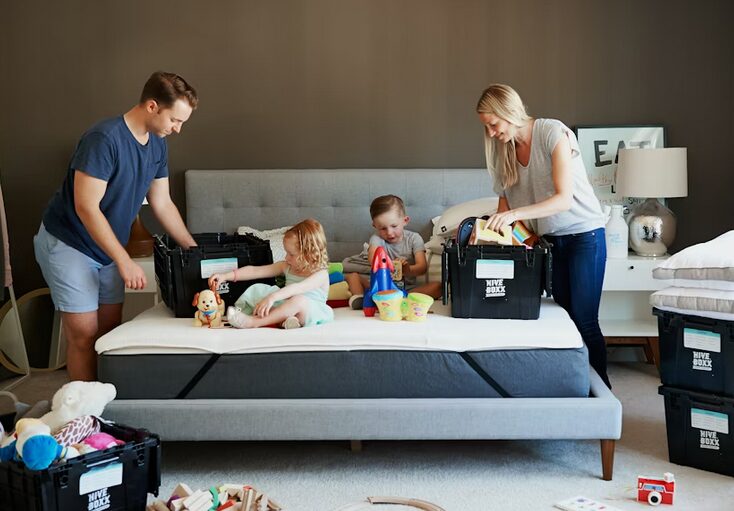
Moving subtly disrupts routines like morning prep, laundry, and even relaxing in the evening. A bathroom further from the bedroom or a kitchen laid out differently can add small frictions to your day. These aren’t problems, but they do require adjustment. Noticing these changes early allows you to reorganize storage, reposition essentials, and create new routines that feel natural in your new environment.

Outdoor Space Counts Too

Gardens, balconies, and driveways change how you store items and spend time at home. A shed might replace indoor storage, or a patio might become an extension of your living room in warmer months. Planning how you’ll use outdoor areas helps prevent them from becoming neglected dumping grounds and instead turns them into functional parts of your home.

Moving doesn’t just relocate your belongings—it reshapes how you experience space. The homes that feel comfortable fastest are usually the ones where people planned for change rather than fighting it. By thinking ahead about layout, storage, furniture, and daily routines, you can adapt more smoothly and make your new home work for you. When you plan for how space will actually be used, settling in feels less like adjusting and more like arriving.
Moving Tips Homeowners Wish They Knew Sooner

Moving house has a way of teaching lessons the hard way. What starts as a hopeful plan to “get organised early this time” can quickly spiral into rushed packing, forgotten details, and last-minute stress. Most homeowners only realise what really matters after the boxes are unpacked and the chaos has settled. The good news is that many of those hard-earned lessons can be learned in advance, saving time, money, and a fair amount of frustration.

Timing Matters More Than You Think

One of the biggest surprises for homeowners is how much timing affects the entire move. Booking services too late limits your options and often drives up costs, while leaving packing until the final week almost guarantees stress. People arranging moving vans in Orpington often discover that popular dates fill up quickly, especially around weekends and school holidays. Planning earlier gives you flexibility, better availability, and breathing room when unexpected delays pop up.

Decluttering Isn’t Just About Space

Many homeowners underestimate how much clutter they’ve accumulated until they start packing. Decluttering before a move isn’t just about having a tidier new home; it directly impacts the cost and effort of moving. Fewer items mean fewer boxes, less packing time, and potentially smaller vehicles. Letting go of unused belongings also makes unpacking easier, turning your new place into a fresh start rather than a storage unit for old habits.

Labeling Saves Your Sanity Later

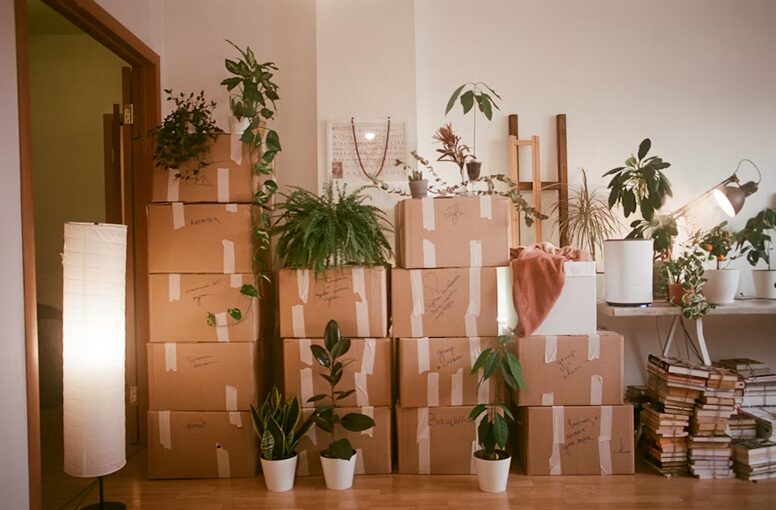
It sounds obvious, yet it’s one of the most commonly overlooked steps. Clear, consistent labeling can make the difference between a smooth first night and hours of frustration. Boxes marked with both their contents and destination room help movers place them correctly and help you find essentials quickly. Homeowners often wish they’d gone a step further by setting aside a clearly marked “first night” box with chargers, toiletries, and basic kitchen items.

Protecting Furniture Takes More Thought

Another lesson learned too late is how vulnerable furniture can be during a move. Scratches, loose screws, and damaged corners often happen because items weren’t properly prepared. Disassembling what you can, wrapping surfaces carefully, and keeping hardware in labeled bags make reassembly far easier. Taking photos before dismantling furniture can also be a lifesaver when you’re trying to remember how everything fits back together.

The Address Change Domino Effect

Updating your address sounds simple, but it has a surprising ripple effect. Miss one service or subscription, and you might deal with lost mail or interrupted utilities weeks later. Homeowners often wish they’d made a checklist for banks, insurance providers, schools, and online accounts. Handling this early ensures your new home feels functional from day one, without annoying follow-up tasks lingering for months.

Budget Buffers Reduce Stress

Many people budget for the obvious costs of moving but forget about the extras. Packing materials, cleaning supplies, temporary storage, or even takeaway meals during unpacking can add up quickly. Having a small buffer built into your budget helps absorb these surprises without turning them into sources of stress. Financial breathing room makes the entire move feel more controlled and less reactive.

Most moving regrets come down to underestimating the process. Homeowners wish they’d started earlier, planned more carefully, and thought beyond just getting boxes from one place to another. By focusing on timing, preparation, and the small details that often get overlooked, a move becomes far more manageable. With a bit of foresight, you can turn lessons others learned too late into a smoother, calmer transition into your new home.