

Moving to a new home isn’t just about a change of address. It quietly reshapes how you live, navigate rooms, and utilize space on a day-to-day basis. Even if your new place is similar in size to your old one, it rarely functions the same way. The homeowners who feel settled fastest are usually the ones who planned for these shifts before the first box was unpacked.
Your Layout Will Change Your Habits

The way rooms connect affects how you live more than most people expect. An open-plan kitchen might turn cooking into a social activity, while a separate dining room may suddenly feel underused. Romford moving tips often mention that furniture that worked perfectly before can now block walkways or disrupts natural light. Thinking about flow—how you walk, sit, and relax—helps you adapt faster and avoid forcing old habits into a new layout.
Storage Feels Different in Every Home
Closets, cupboards, and built-in storage vary wildly from one property to another. You might move into a house with fewer wardrobes but more loft space, or the opposite. This shift changes how you organize everything from clothes to cleaning supplies. Planning where items will live before unpacking prevents piles from forming and helps you decide what storage solutions you actually need, rather than buying things out of frustration later.
Room Purpose Isn’t Always Obvious

One of the biggest surprises after a move is realizing that rooms don’t automatically tell you how they should be used. A spare bedroom might become a home office, a dining area might turn into a play space, or a box room could be perfect for storage rather than sleeping. Permitting yourself to redefine room purposes makes your home feel more intentional instead of awkwardly traditional.
Furniture Scale Changes Everything
Furniture that felt balanced in your old home can feel oversized or oddly small in a new one. Ceiling height, window placement, and room width all affect how pieces sit in a space. Many homeowners wish they’d measured more carefully or waited before buying new furniture. Living in the space for a few weeks often reveals what truly fits, both physically and functionally.
Daily Routines Need Reworking
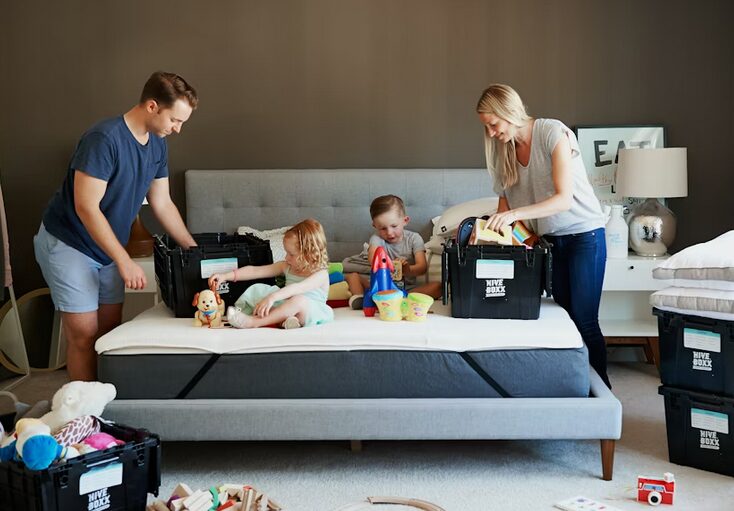
Moving subtly disrupts routines like morning prep, laundry, and even relaxing in the evening. A bathroom further from the bedroom or a kitchen laid out differently can add small frictions to your day. These aren’t problems, but they do require adjustment. Noticing these changes early allows you to reorganize storage, reposition essentials, and create new routines that feel natural in your new environment.
Outdoor Space Counts Too
Gardens, balconies, and driveways change how you store items and spend time at home. A shed might replace indoor storage, or a patio might become an extension of your living room in warmer months. Planning how you’ll use outdoor areas helps prevent them from becoming neglected dumping grounds and instead turns them into functional parts of your home.
Moving doesn’t just relocate your belongings—it reshapes how you experience space. The homes that feel comfortable fastest are usually the ones where people planned for change rather than fighting it. By thinking ahead about layout, storage, furniture, and daily routines, you can adapt more smoothly and make your new home work for you. When you plan for how space will actually be used, settling in feels less like adjusting and more like arriving.